









Shop by Category
The Transformative Power of Feminine Style
Fashion is far more than mere clothing; it is a profound form of self-expression, a powerful non-verbal language, and a mirror reflecting the evolving spirit of society. The category of feminine attire, often broadly referred to simply as “womenswear,” holds a particularly rich and complex history, one intertwined with shifts in social norms, the fight for equality, and the continuous quest for personal liberation. This category of dress, encompassing everything from flowing gowns to sharply tailored pieces, has consistently served as a battleground and a canvas, marking major milestones in the narrative of human individuality.
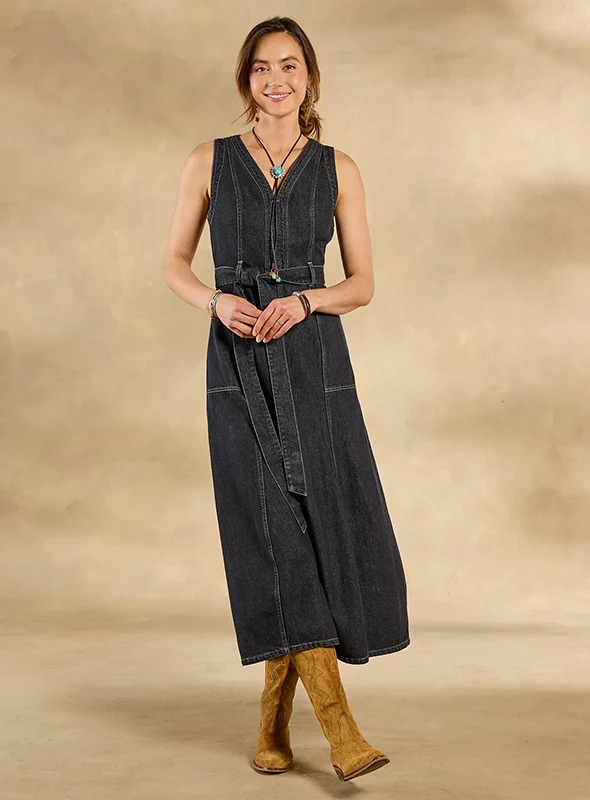
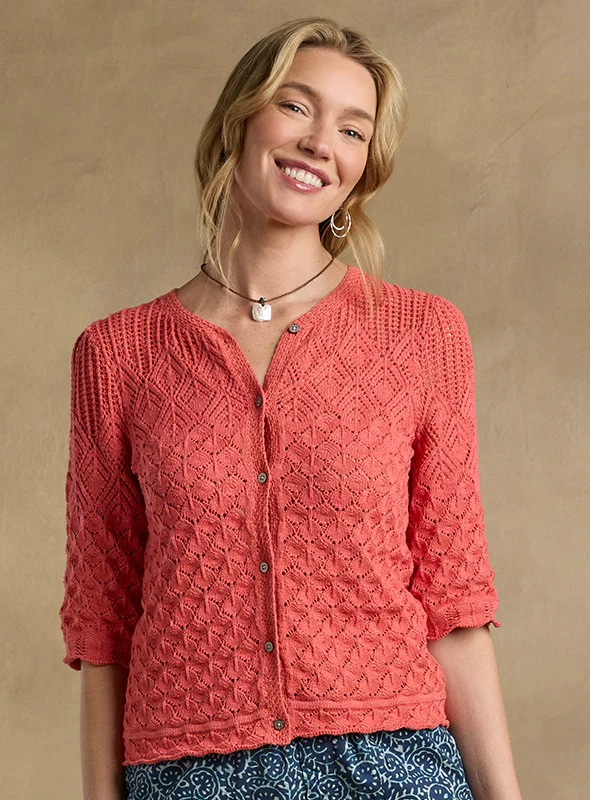
The sheer variety inherent in feminine styling is arguably its greatest strength. Unlike categories of dress often defined by strict utility or uniform formality, this realm embraces a spectrum that allows for endless interpretation. Consider the fundamental difference between a softly draped silk blouse and a structured leather jacket. Both are staples, yet they convey dramatically different energies. The blouse speaks of grace, fluidity, and perhaps a subtle romanticism, while the jacket projects confidence, edge, and a readiness for action. A person can seamlessly transition between these two aesthetics, or even expertly combine them, depending on the mood, the environment, or the particular statement they wish to make. This flexibility underscores the empowering nature of modern feminine style: it is not a fixed identity, but a dynamic, ever-changing portfolio of self.
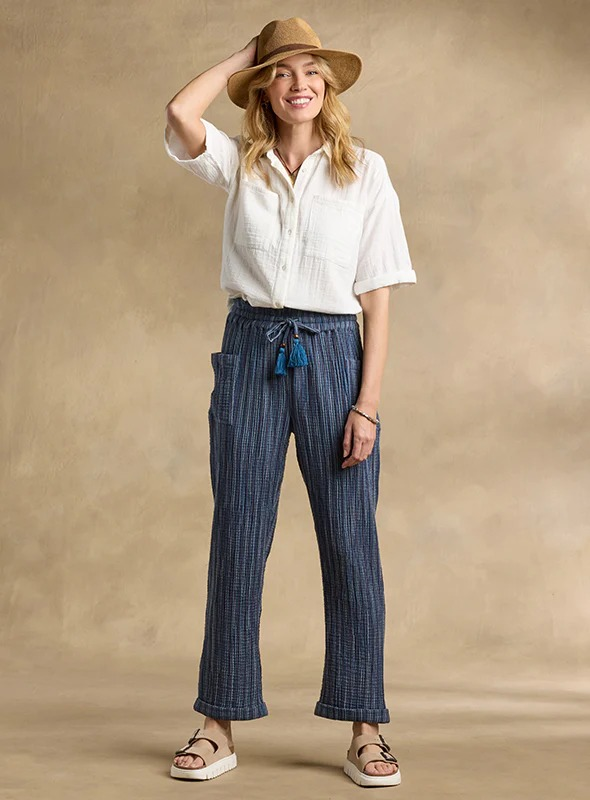
Historically, the evolution of feminine fashion has been a dramatic story of shedding constraints. The voluminous, restrictive silhouettes of past centuries—those that prioritized an artificial shape over natural movement—were slowly and deliberately dismantled by visionaries who understood that freedom of movement was prerequisite to social freedom. The adoption of simpler lines, the rise of practical garments, and the eventual embrace of trousers and functional outerwear were not just aesthetic shifts; they were acts of sartorial rebellion. These changes were hard-won battles that paved the way for the contemporary understanding of dress, which champions comfort, functionality, and individual choice above all else. The very structure of contemporary feminine clothing is a testament to the enduring human desire for both beauty and utility.
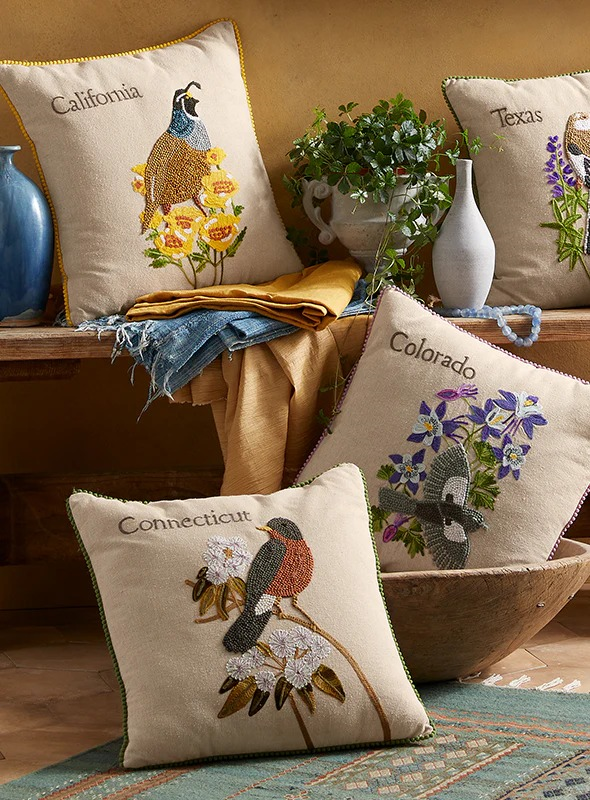
Moreover, the influence of global textiles and techniques has continually enriched this domain. Designers draw inspiration from indigenous crafts, historical costume, and architectural forms from every corner of the world, resulting in a rich tapestry of textures, patterns, and construction methods. The intricate beadwork inspired by one culture can be found adorning a jacket cut with the clean, minimalist lines inspired by another, creating a truly global dialogue. This cross-pollination ensures that feminine style remains vibrant, responsive, and always pushing the boundaries of what is considered wearable art. The act of choosing what to wear each day is thus a quiet participation in this global conversation.
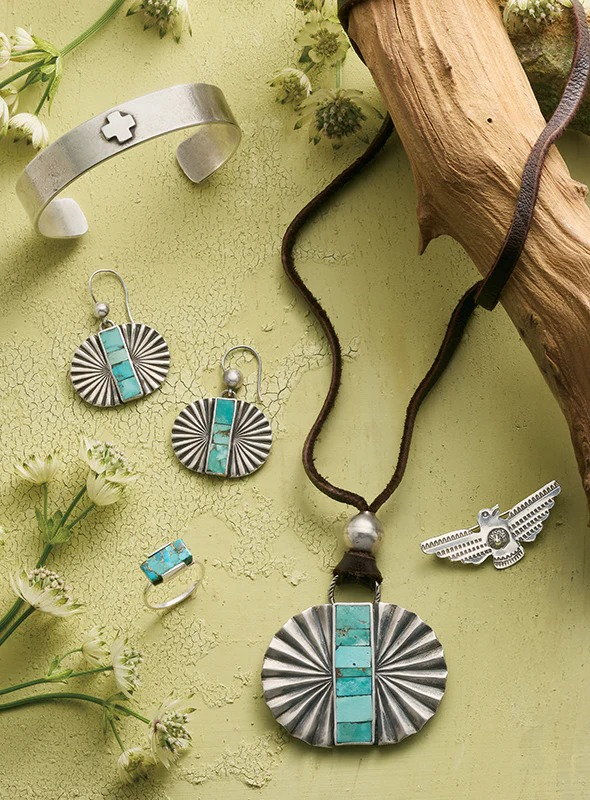
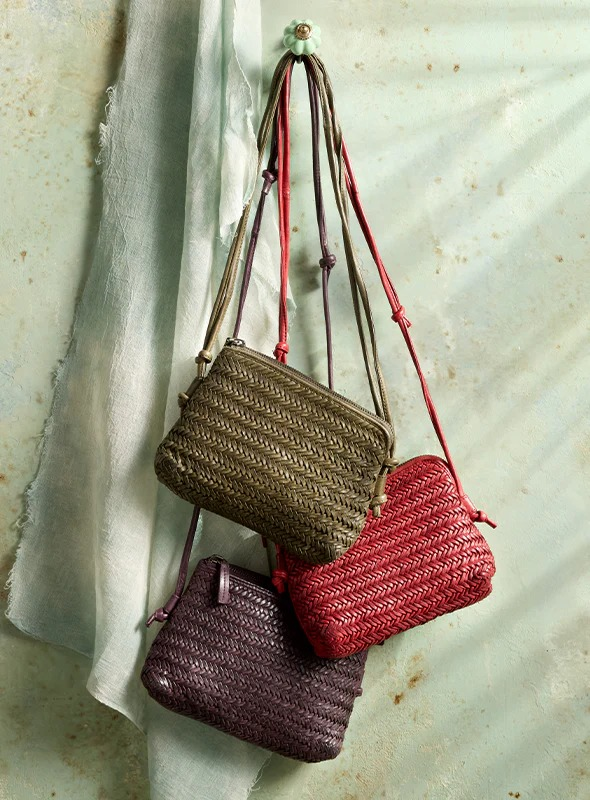
Beyond the visible garment, there is an entire ecosystem of accessories that completes and defines a feminine look. A well-chosen accessory is a punctuation mark; it can elevate a simple outfit to a masterpiece or subtly alter the tone of an ensemble. From meticulously crafted leather goods to delicate metallic jewelry, these elements provide an additional layer of complexity and personalization. They allow for an expression of refinement, whimsy, or sophistication, often serving as the true indicators of personal taste. An accessory is often the item that carries the most personal or sentimental value, transforming a simple outfit from a uniform of the day into a repository of memory and meaning.
The future of feminine style is undoubtedly moving toward greater sustainability and ethical sourcing, reflecting a growing societal consciousness. As consumers become more informed, there is a clear trend toward valuing longevity, craftsmanship, and materials that minimize environmental impact. This shift is turning the act of dressing into a more thoughtful, responsible process, where quality and conscience take precedence over fleeting trends. Investing in timeless pieces, supporting artisans, and prioritizing circularity are becoming defining characteristics of contemporary discerning style. This movement is not about restriction, but about enhancing value—creating a wardrobe that not only looks beautiful but also aligns with a more thoughtful way of life. The enduring appeal of feminine style lies in its capacity to constantly evolve while remaining fundamentally tied to the expression of identity, grace, and empowerment. It will always be a mirror reflecting not just the individual, but the aspirations of the age.